Thanks to issues like import fees and government regulations regarding domestic production, the Detroit Big Three automakers took a different marketing and manufacturing approach to their northern customers. As a result, Canadian dealer showrooms looked pretty different from their United States counterparts as the 1950s dawned.
For instance, Ford created its own lineup of Canadian-market Monarchs and Meteors. Mopar played the game as well, with unique models like the Mayfair and a distinct Fargo truck brand.
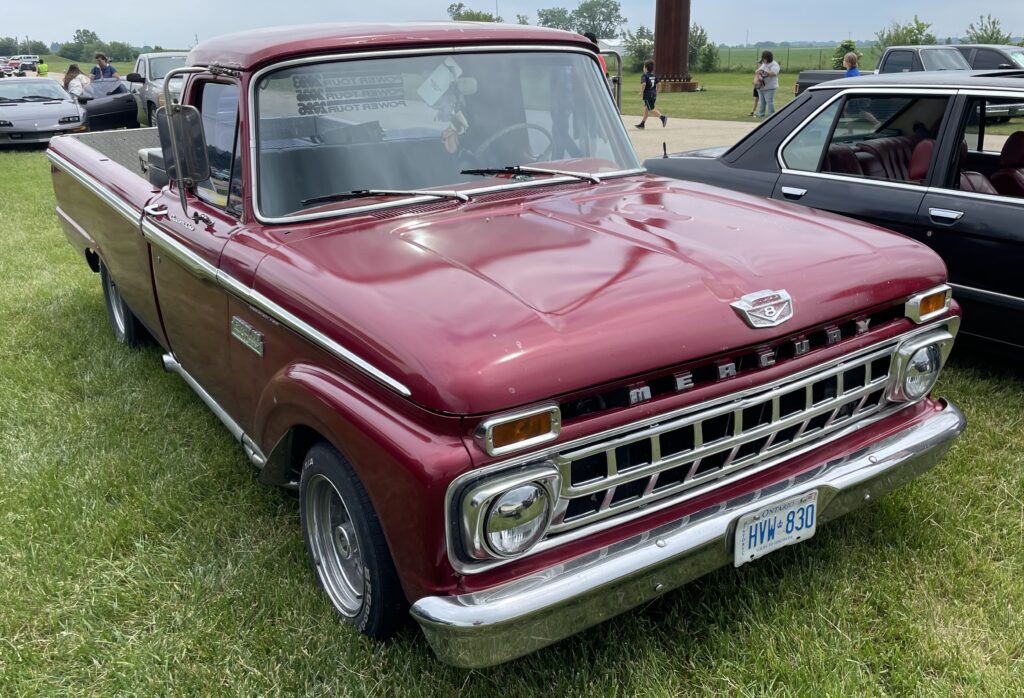
…Then of course, Mercury (gasp!) had its own truck models too:
But the General Motors approach was a bit more complex and it included a few standalone marques, unique styling cues, and some parts bin engineering.
Enter the Acadian
Perhaps the best place to start this Maple Leaf Rag is in 1962. That’s because, despite having a good market presence in Canada already (largely thanks to Pontiac), in 1962 General Motors introduced the Canada-only Acadian marque.
Fun Fact: GM chose the Acadian name as a nod to the Canada’s early French settlers from the 1600 and 1700s.
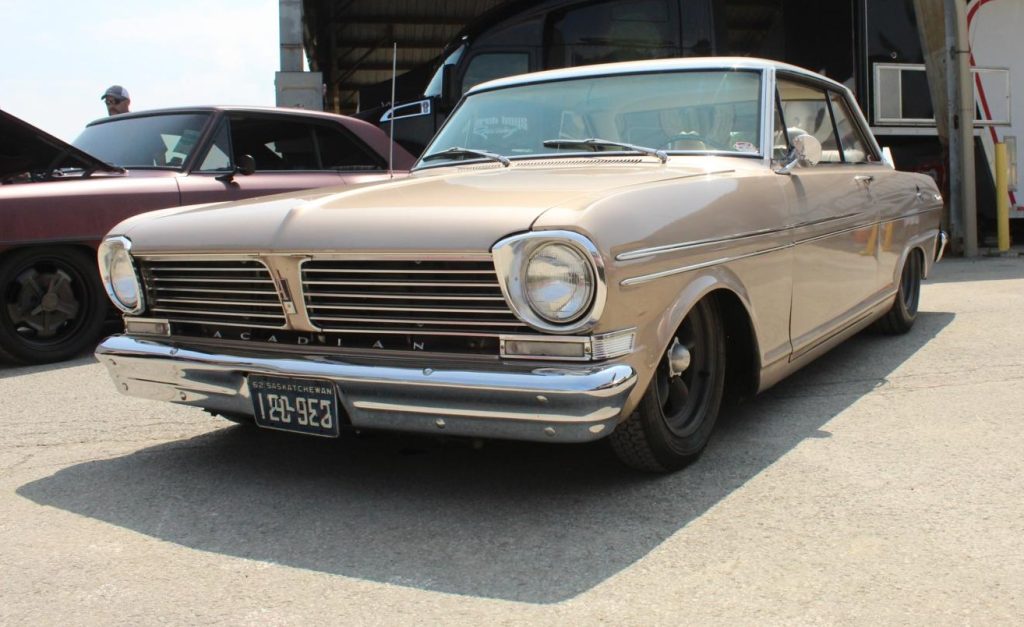
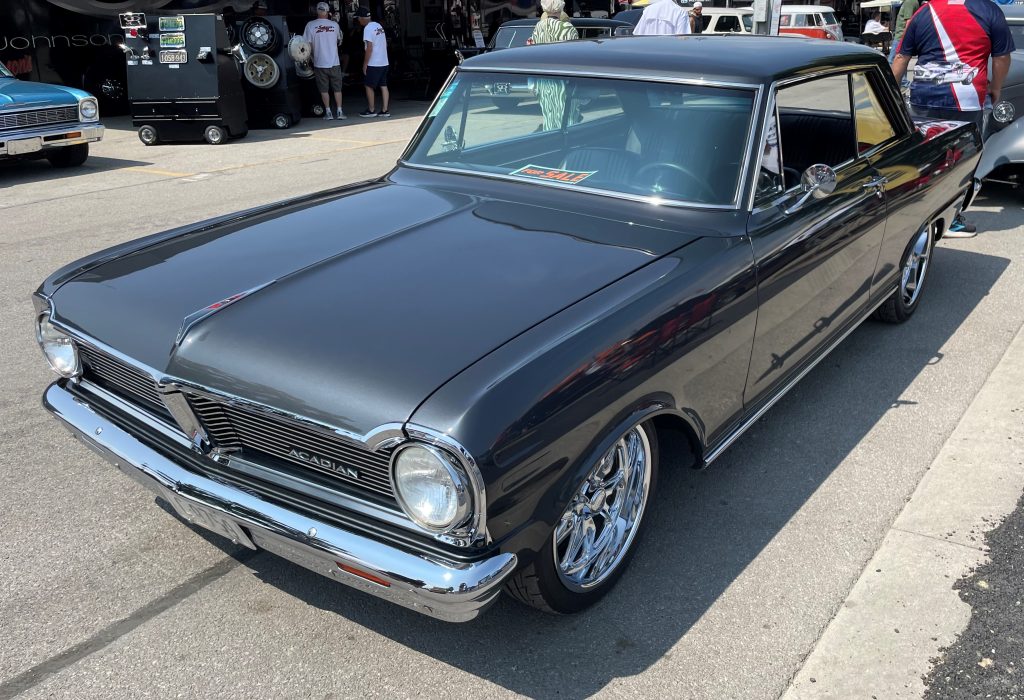
Thanks to a gap in the small car segment of GM’s Canadian lineup, the Acadian launched as an X-body compact that borrowed heavily on Chevy’s new Chevy II/Nova. But it was far more than a simple badge swap here; the X-body Acadians received unique design cues that blurred the lines between Chevy and Pontiac styling (notably the split grille).
Mechanically, GM maintained much of the same powertrain options you’d expect from the Acadian’s U.S. X-body cousins, though it’s totally worth pointing out that you could never get one with a Big Block.
GM didn’t need to have Dinah Shore re-cut her famous jingle as “Drive Canad-ian in an Acad-ian” either, because the compact new marque achieved solid early success when positioned against its full size competition (including GM’s own larger B-bodies).
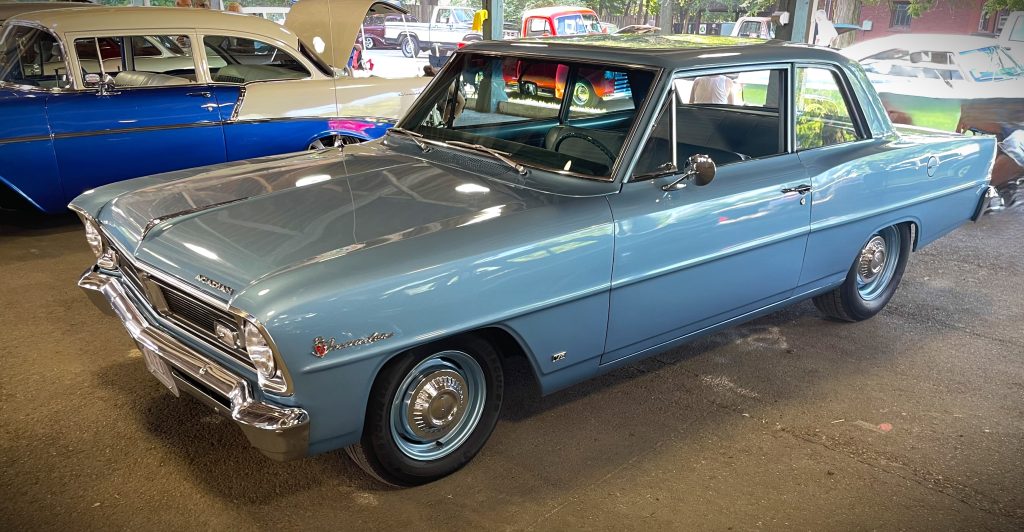
Initially in 1962, Acadians were offered in a trio of trims: the base Acadian, mid-level Invader (shown above), and top-tier Beaumont.
Then in 1963, the Acadian range grew to add a fourth submodel: the Canso.
The Canso slotted in above the Invader as a more upmarket trim. And as you’ll see in the 1967 Canso pictured below, the Acadians all followed the design evolution of the Chevy II/Nova through the 1960s—yet retained the Canadian market Pontiac-style split grille.
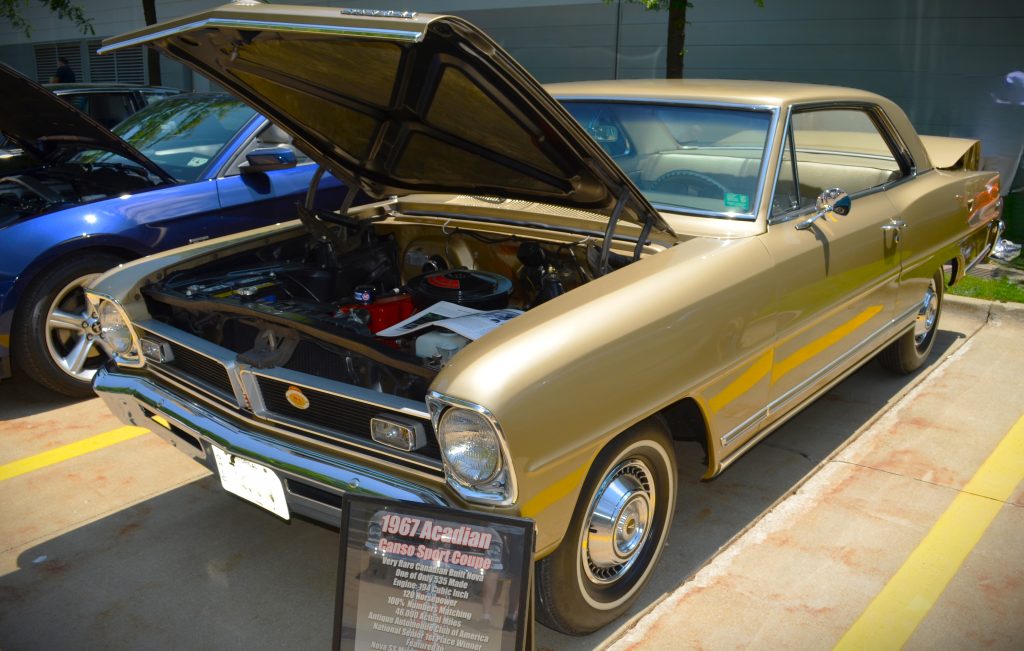
The Acadian existed as an X-body compact up until 1971 when, thanks to the Auto Pact, GM switched to offering the familiar Pontiac Ventura X-body to the Canadian market instead. (We’ll talk about the Auto Pact here in a moment.)
The Acadian name would disappear from the Canadian auto market for a few years before reappearing as a badge-engineered Chevy Chevette in 1976 in an attempt to combat the growing impact subcompact market.
The Acadian-badged Chevette would soldier on until 1987, before the J-body FWD platform took over.
…but we’re getting way ahead of ourselves here—let’s shift back to the 1960s.
The Acadian Line Expands
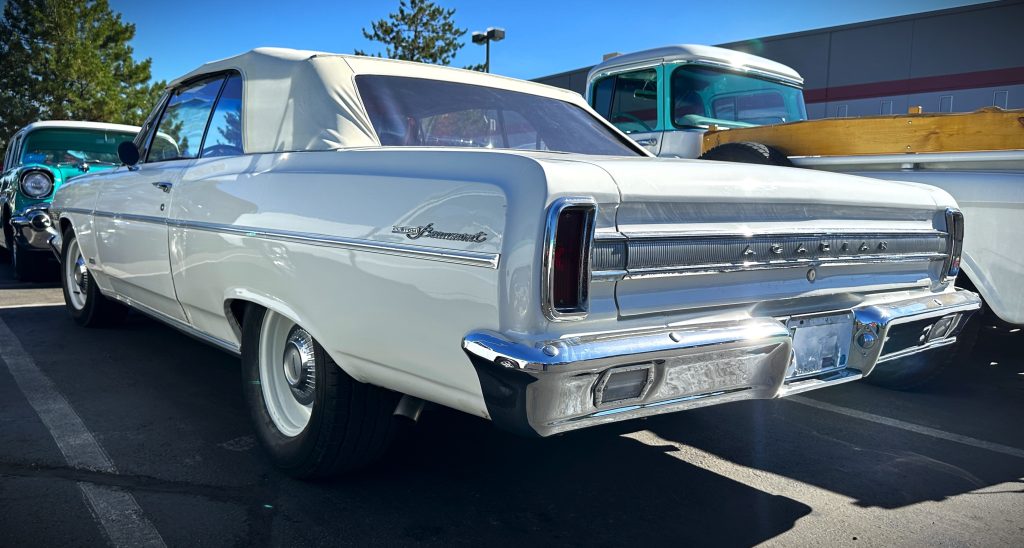
Rewinding back to 1963, the X-body Acadian didn’t fly solo for too long, and it soon found itself with a stablemate in Canadian showrooms.
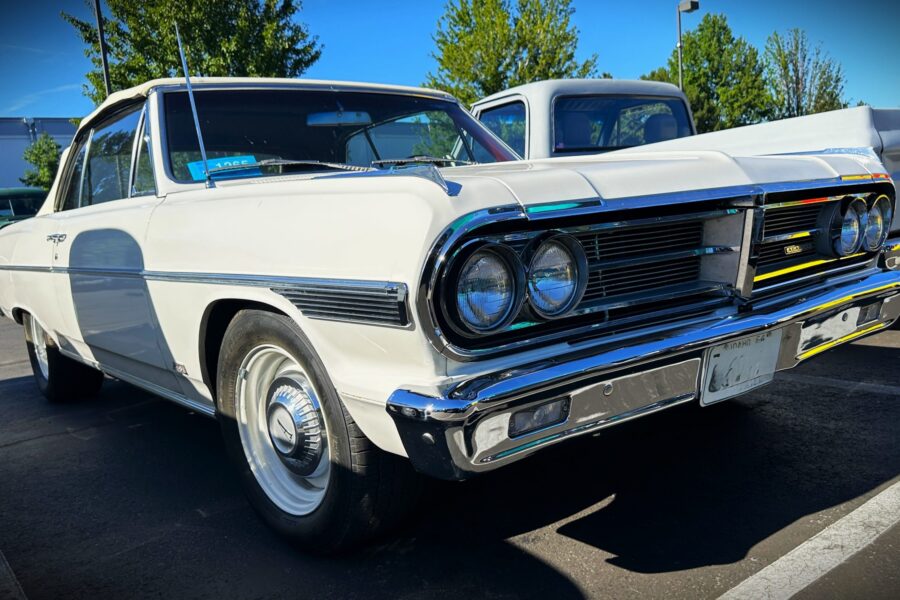
Revealed in 1964 (and coinciding with the launch of the domestic A-bodies), the Beaumont trim broke off into a new mid-size model.
Riding on that freshly-minted A-body chassis, the new Beaumont was derived heavily from the Chevelle—though it still retained distinct styling cues (like the Pontiac split grille) that set it apart from its American cousins.
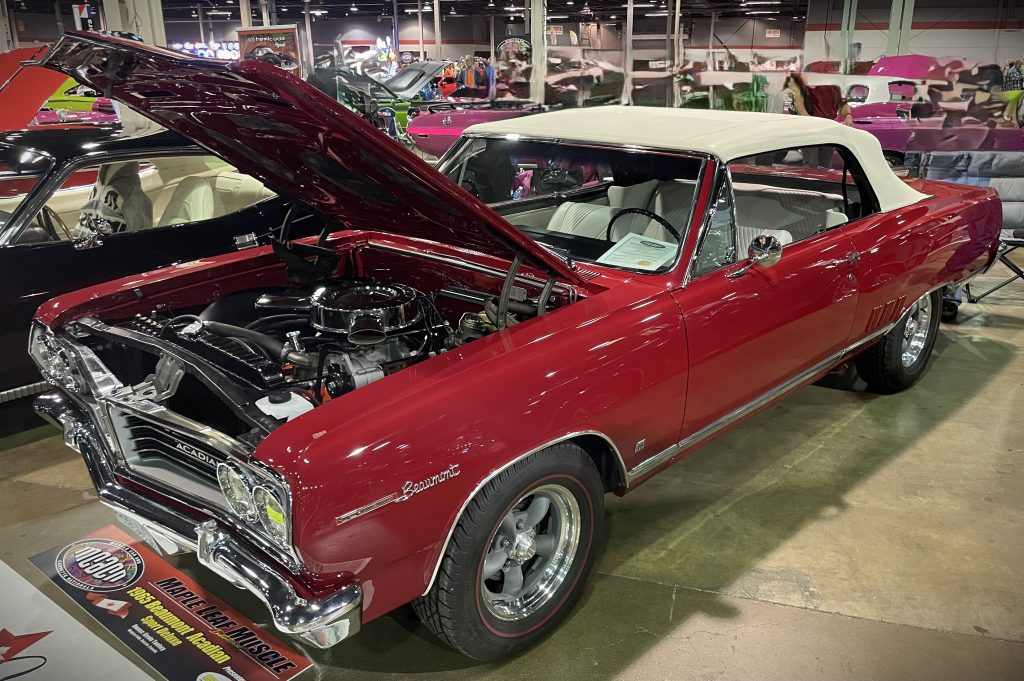
On paper this new model was formally called the Acadian Beaumont, and that aforementioned Canso trim took its place as the top-dog in the X-body food chain.
This new intermediate existed under the Acadian umbrella from 1964 to 1965, before it too broke off into a standalone marque, simply called Beaumont.
And just like the X-Body Acadian, much of the mechanical and powertrain options were similar to its U.S. counterparts from Chevrolet.
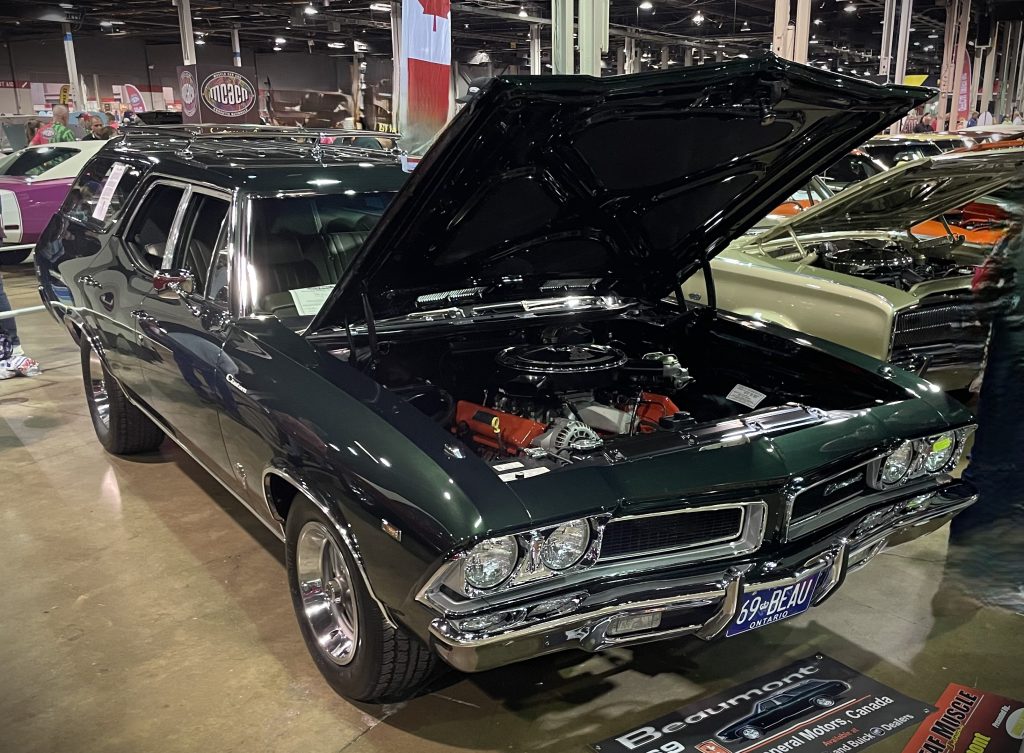
Even when GM updated the A-body in 1968, the Beaumont came along, wearing the familiar GM sheetmetal, with a delightfully Canadian aesthetic, like an updated split grille that was even closer to becoming a perfect mishmash between a Chevelle and a Tempest/LeMans.
And just like the American versions, you could get the Beaumont as a coupe, convertible, sedan, and yup, even a wagon.
“SD” Gets a Canadian Translation
Any Pontiac aficionado worth their salt will tell you that the iconic “SD” designation refers to the Super Duty package that turned ordinary Pontiacs into tire-shredding performance cars.
While that’s true of course for the United States, in The Great White North, SD means something totally different.
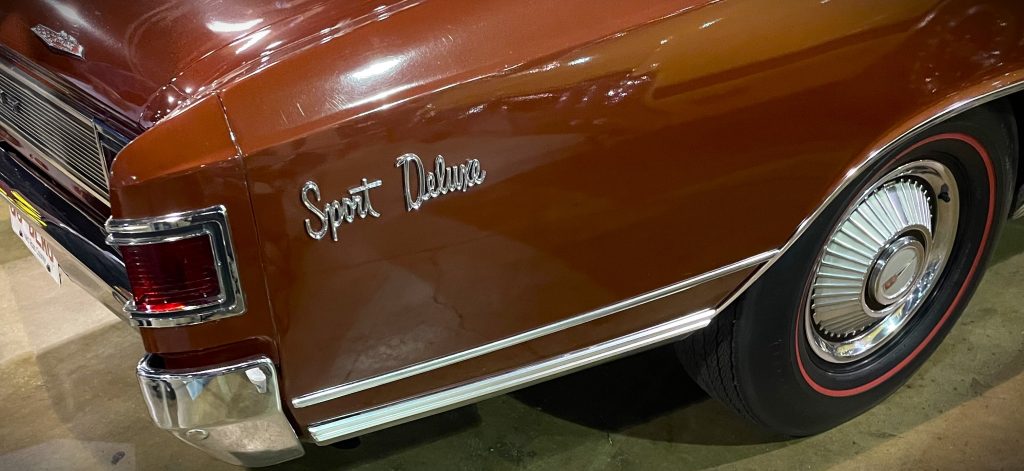
The Sport Deluxe trim first appeared in 1965 on the X-body Acadian and A-Body Beaumont models, and was a pretty close analog to the Super Sport spec we got here in the States. And similar to the Super Sport trim, it began as primarily an appearance package, yet allowed you to pick your engine and driveline. (Read all about the History of the Chevy Super Sport here.)
For the A-body midsize Beaumont in 1965 for instance, that meant you could tick the box for a 327 small block Chevy and, a year later in 1966, you could option all the way up to a 396 Mark IV big block.
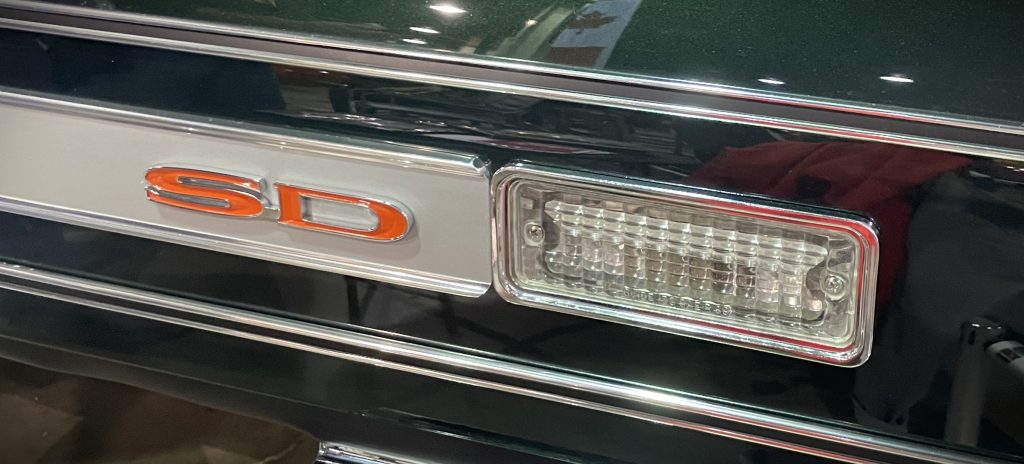
As the muscle car wars matured in the 1960s, the SD name broke off into its own marque—very much like the SS Chevys in the United States.
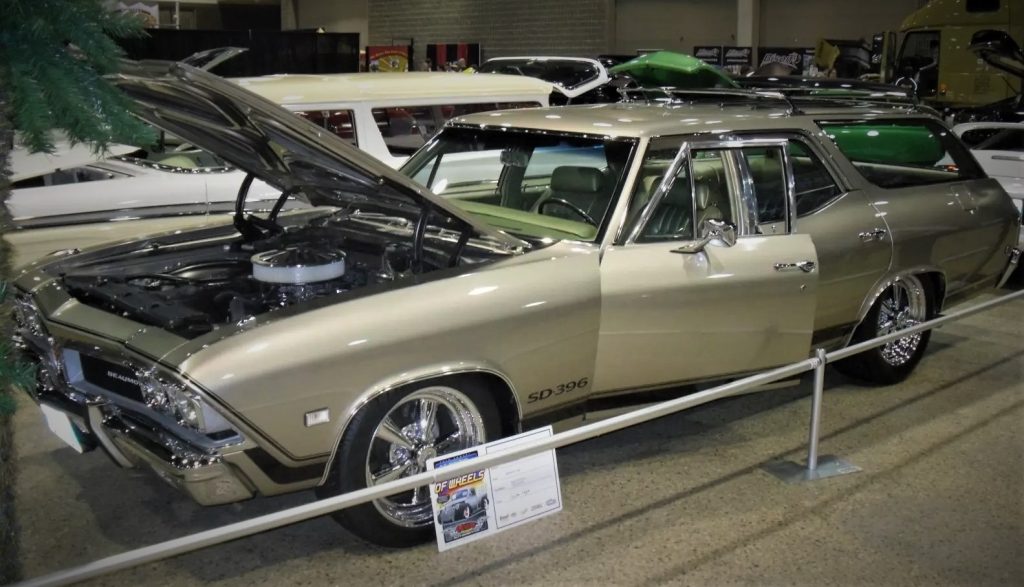
And again, if you got the Beaumont midsize, the 1968/69 Beaumont Sport Deluxe gave you either a L35 (325 hp) or a L34 (350 hp) 396 big block—though from what we’ve read no L78 (375 hp) big block-equipped Beaumonts were ever sold.
Home-Grown Chevy Engines
If you’ve been playing along at home, the Acadian/Beaumont recipe, in a nutshell, was a Chevy body with Pontiac cues, a Pontiac-derived interior, and a Chevy engine.
That means even the Canadian-bred Pontiacs (which we’ll get to here in a sec) also carried Chevy engines.
As alluded to in the intro, this was largely the result of import tariffs—Pontiac engines were primarily assembled in the United States, whereas Chevy had a pair of engine plants across the Canadian border and, as such, didn’t face the inflated import cost.
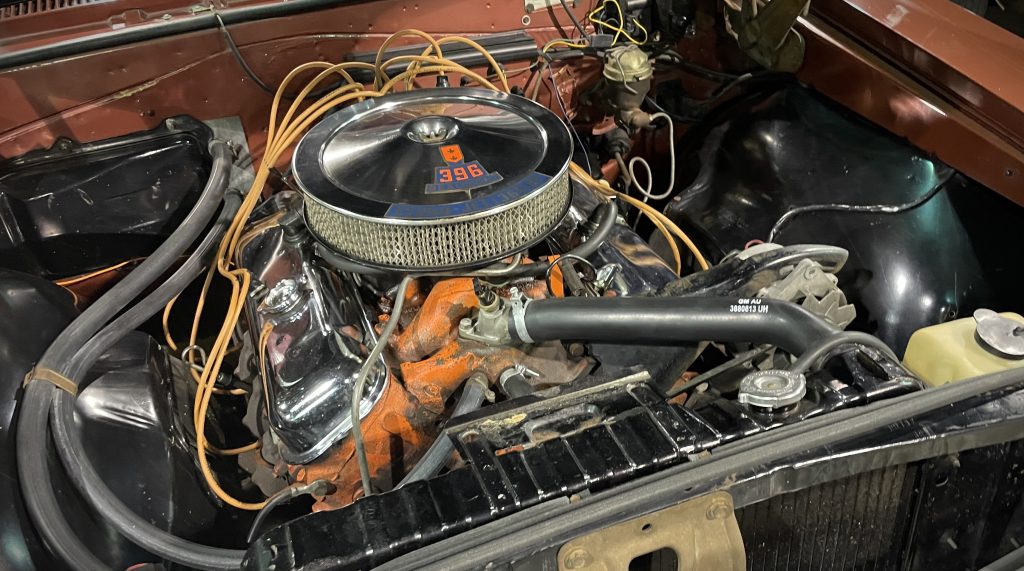
As you might imagine, while the mechanicals were largely identical, these Canadian powerplants came in Maple flavor, namely with specialized decals. Note the Beaumont crest on the air cleaner on the 396 above.
But there was one other interesting tweak.
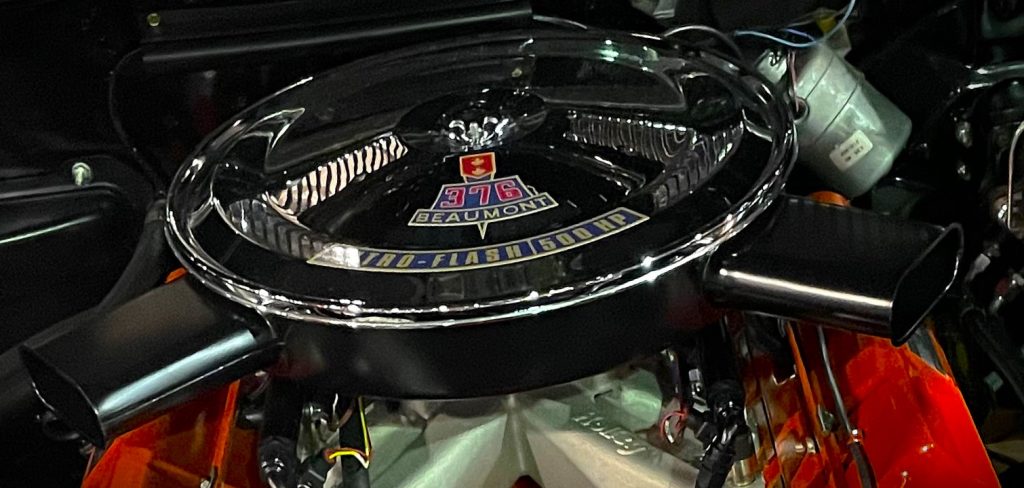
Instead of the familiar Chevy “Turbo-Fire” nomenclature, GM Canada gave the engines the “Astro-Flash” nickname. Though you can’t see it on that 396 above, you can get a clearer view of an accurate reproduction decal on this LS-swapped small block clone below.
Let’s Not Forget About Pontiac
It is absolutely worth noting that, despite the arrival of the Acadian marque in the early 1960s, GM had been successfully selling cars in Canada for a long, long time before that—we’re talking pre-World War One here.
In particular, Pontiac was doing really well during the 1960s, taking in a healthy slice of the overall Canadian car market. The problem was, Pontiac didn’t have a small car in its lineup, hence why the X-body chassis arrived as an Acadian to address the compact segment.
What Pontiac did have however, was a fleet of impressive full size B-bodies. And much like their Acadian kin, even the Pontiac-branded cars were a bit of a mishmash of Chevy and Pontiac styling cues.
And yes, they carried Chevy-sourced engines under their hoods.
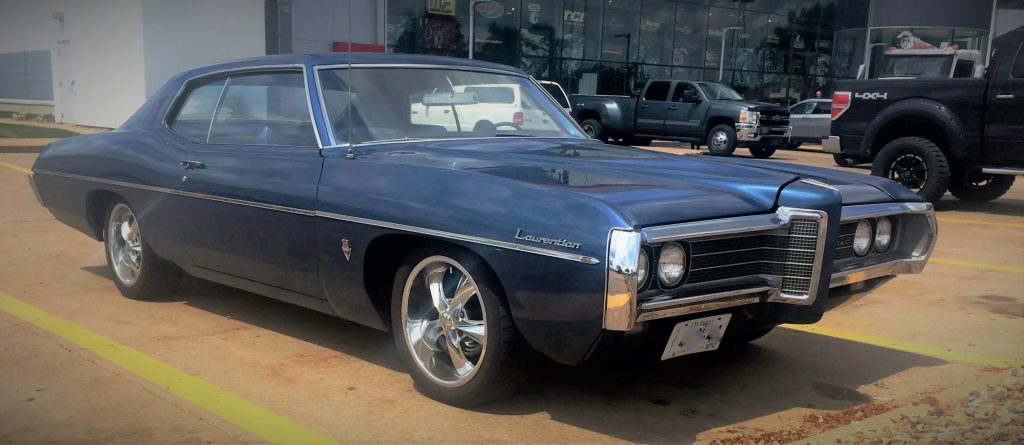
The Pontiac Laurentian is a good place to start here. Introduced in 1955, the Laurentian was a full size B-body that pretty much mirrored what we got as the Chevy Bel Air in the States.
Depending on the year, the Laurnetian could be equipped with a host of Chevy-sourced drivetrain options, and featured a mix of Pontiac-inspired styling cues.
We won’t dedicate much space to this particular model now, simply because we’ve already written an entire in-depth feature on the Laurentian that you can read here.
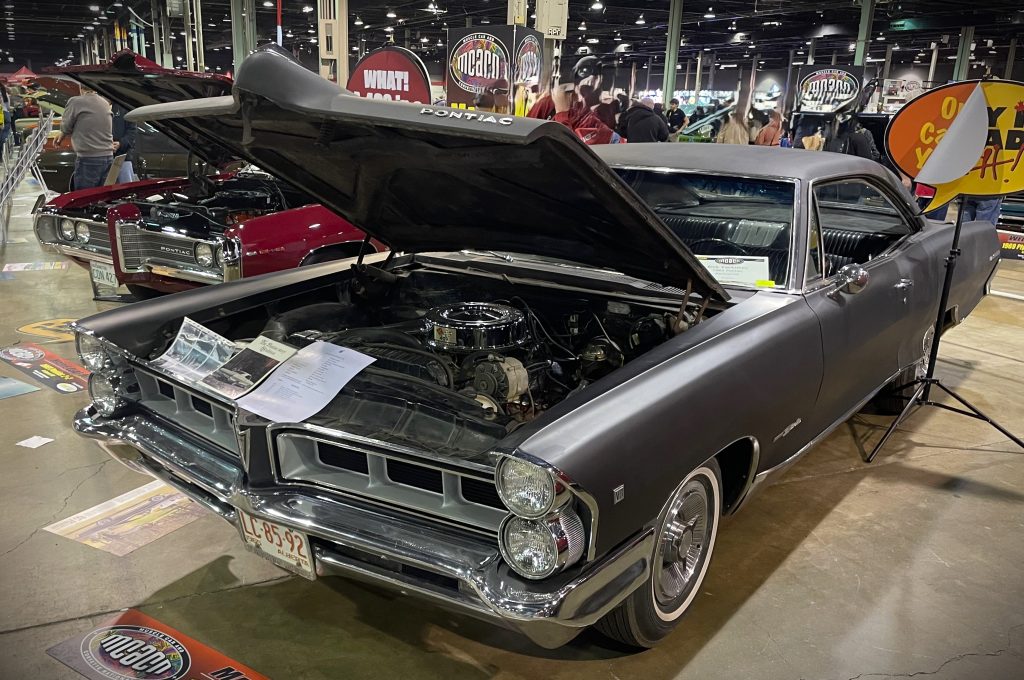
Another notable Canadian Pontiac full size is the Parisienne. If the Laurentian could be considered the Bel Air, then think of the Parisienne as the Impala—top of the line, with a range of luxury trim appointments.
And just like the Impala, the Parisienne arrived in the late 1950s. It would soon spawn a Grand Parisienne variant in 1966, complementing the new range-topping Caprice that Chevy introduced Stateside.
Fun Fact: The Parisienne is (we think) the only Canadian-born Pontiac nameplate to move south of the border for the American market. It had a short-lived stint in the U.S. as Pontiac’s version of the Chevy Caprice Classic from 1983 to 1986.
Performance Takes Off
If the V8-powered Super Deluxe models are any indication, Canadians like tire-shredding performance too. In fact, even early-on with the Beaumont line, you could option up a handful of potent V8s, namely the coveted L79 small block 327 and its roughly 350 horsepower.
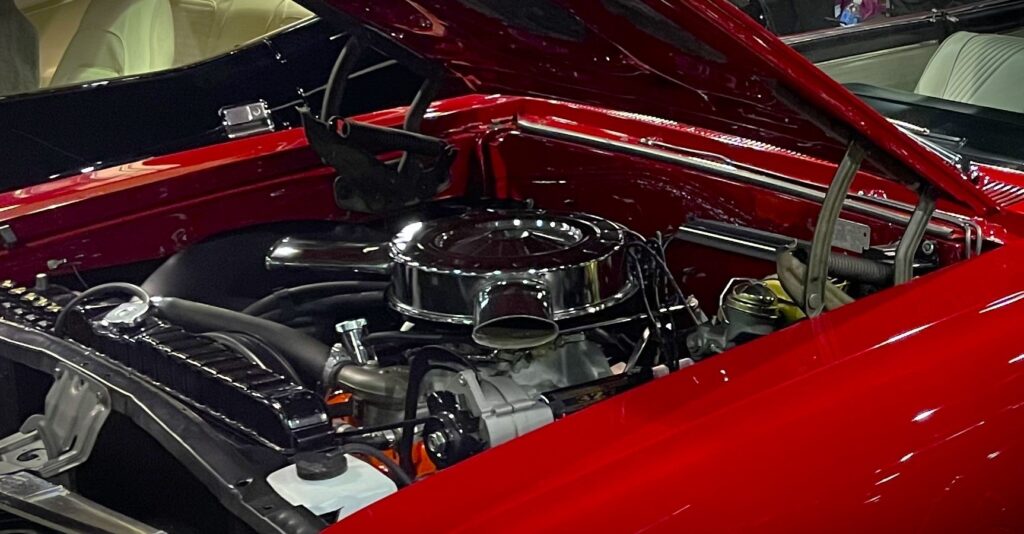
And it’s important to note that buying American cars wasn’t prohibited, just expensive. For instance, although the famed Pontiac GTO was never sold directly in Canadian showrooms, if a buyer wanted to pay the import fees, a Canadian dealer could special order a Goat and have it shipped up north, no problem.
But since the Firebird showed up after the Auto Pact had been signed, Pontiac’s pony car quickly flew into Canadian showrooms and became an instant hit for spirited drivers.
While the typical Firebird models were largely similar to their American counterparts, at least one intrepid dealership turned up the wick with special models built in-house—similar to what Yenko Chevrolet or Royal Pontiac were doing Stateside.
Meet the Firebird Comanche
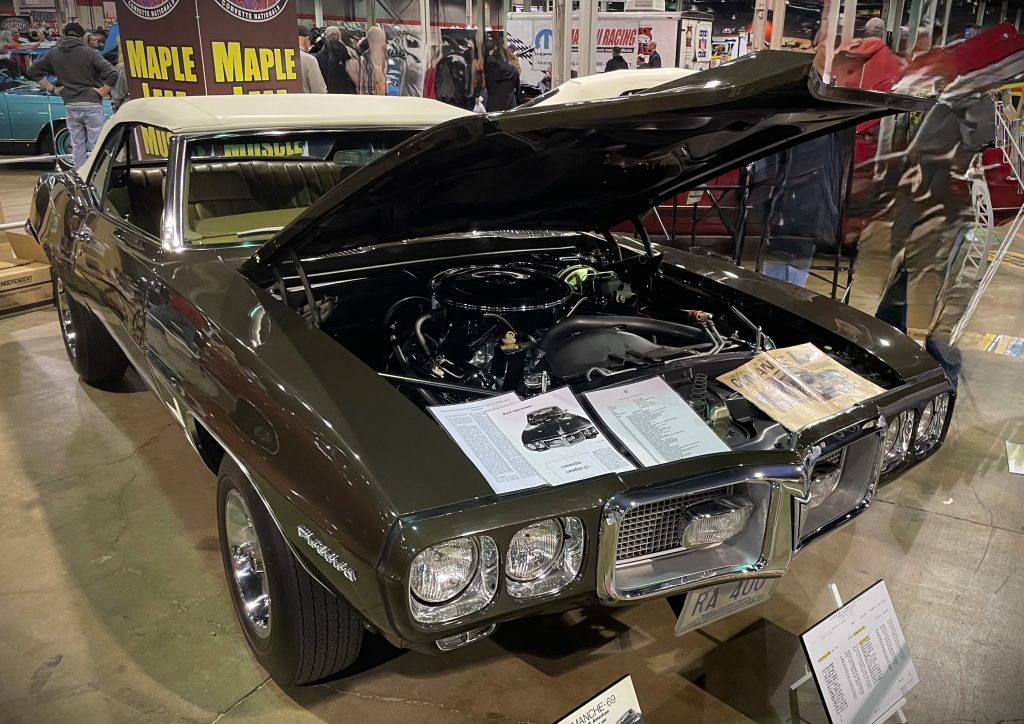
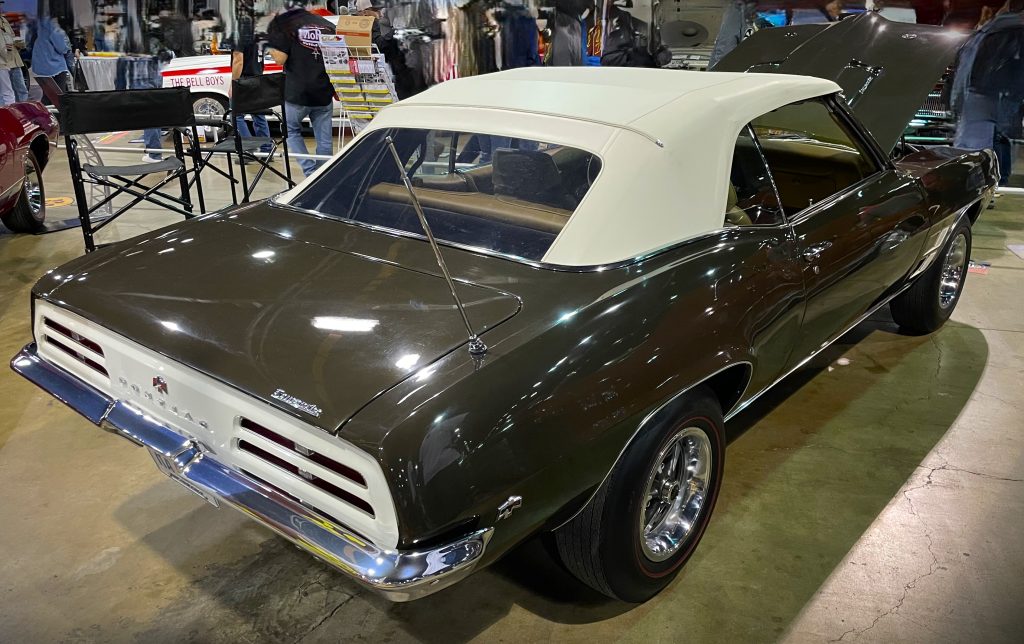
The Comanche story begins with the Grant Hamilton Pontiac dealership, which ordered a batch of 1968 and 1969 Pontiac Firebirds with very specific options—namely a 400ci V8, along with disc brakes, power steering, a Rally gauge cluster, and heavy-duty cooling package.
From there, Grant Hamilton Pontiac added a series of (mostly cosmetic) upgrades, like the signature stipe package and a pair of fog lights implanted in the grille (not unlike the then-new Shelby GT500). Inside, a Sun Super Tach was tucked under the dash.
Billed in sales literature as “A True North American Grand Touring Car”, the focus was less on shredding tires on the track and more on being fast, comfortable, and practical. Given the limited availability, just a mere handful of Firebird Comanches were ever produced.
A Short, but Fascinating Chapter
This interesting story of GM’s Canadian hybrids only lasted a few years though, as the import duties and bureaucratic paperwork were eased with the signing of the Canada–United States Automotive Products Agreement (AKA the Auto Pact) in 1965. The agreement eliminated the tariff issues, as long as American automakers assured the Canadian auto industry that a certain threshold of Canadian-built vehicles would remain in production.
As a result, there was little need for distinct models anymore, and familiar American cars were commonplace on Canadian roads by the early 1970s.
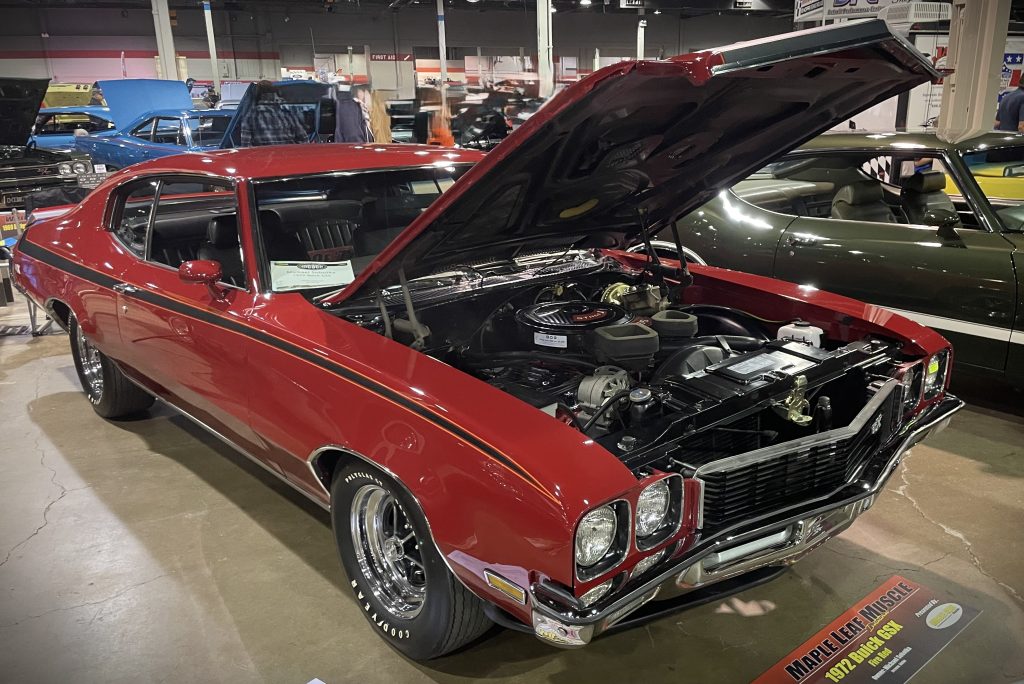
And that certainly included performance options, as you could now get American-born musclecars across the border, like the delightful Canadian-market Buick GSX you see below
Although nowadays there are still some discrepancies between what you’ll find in a Canadian showroom versus an American showroom (thanks to various regulation nuances and market demands), we no longer have standalone marques or wholly unique vehicles to serve each country.
…Which is kind of a bummer, because we would’ve love to see what a 21st Century Acadian Sport Deluxe would look like.