A little while ago, we revealed our 10 favorite vehicles made between 1976 and 2026.
We wrote that article to coincide with America’s 250th birthday, hence why we started our list with the American Bicentennial year of 1976.
Now we’re doing another countdown—but instead of vehicles, we’re listing our picks for the 20 most significant milestones in automotive history, in chronological order, from 1976 to 2026.
Take a look at our list, then head to the comments section below and let us know if you agree with us or think we’re a bunch of snuff-sniffing Tories.
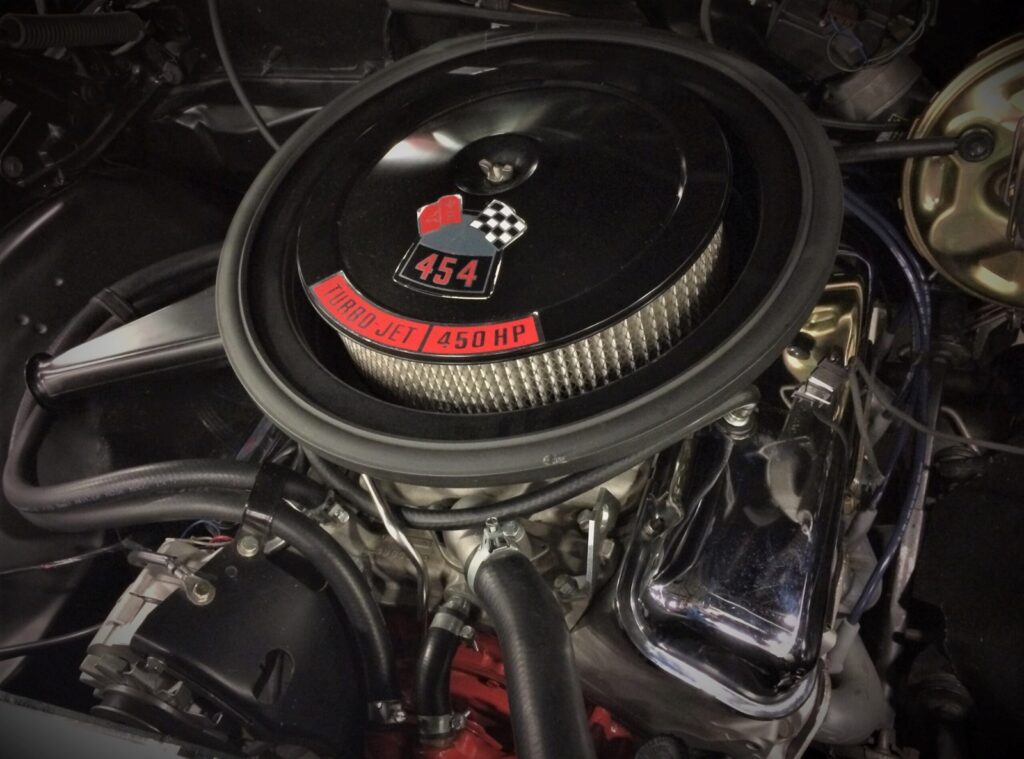
1976: GM Dumps Its Big Blocks (Mostly)
Shed a tear for the end of an era. America’s bicentennial year marked the last hurrah of GM’s big block engines—the Chevy 454, Pontiac/Olds/Buick 455s, and Cadillac 500—in passenger cars. The 454 lived on in Chevy trucks until 2000, and a 425ci version of the Caddy motor was in production from 1977 to 1979. So long, our favorite torque-generating dinosaurs.
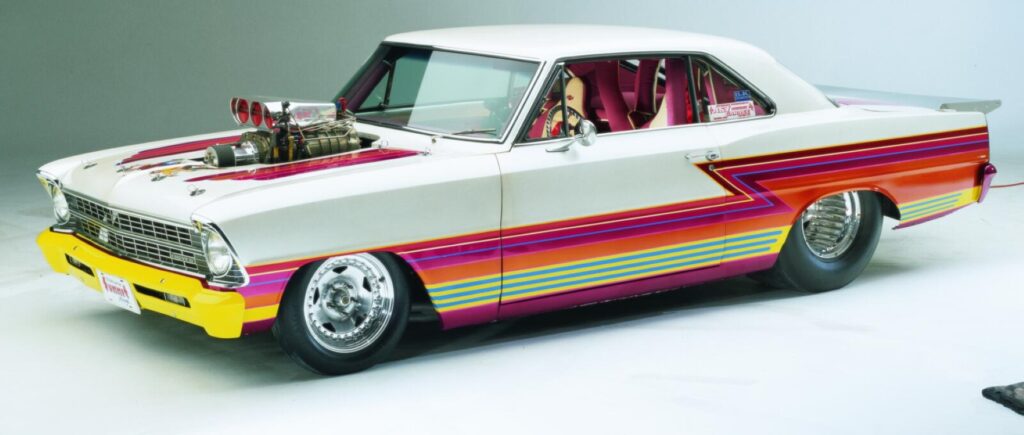
1979: Pro Street is Born
Love them or hate them, Pro Street cars were everywhere in the 1980s. Scott Sullivan’s 1967 Nova (not the one pictured) defined the style—a street car that mimicked the look of the era’s Pro Stock drag racers. The Nova won the 1979 Street Machine of the Year title in 1979 and set the bar for other builders to reach. Like most things, Pro Street jumped the shark in the early 1990s with over-the-top builds rightly labeled ‘Pro Fairgrounds’.
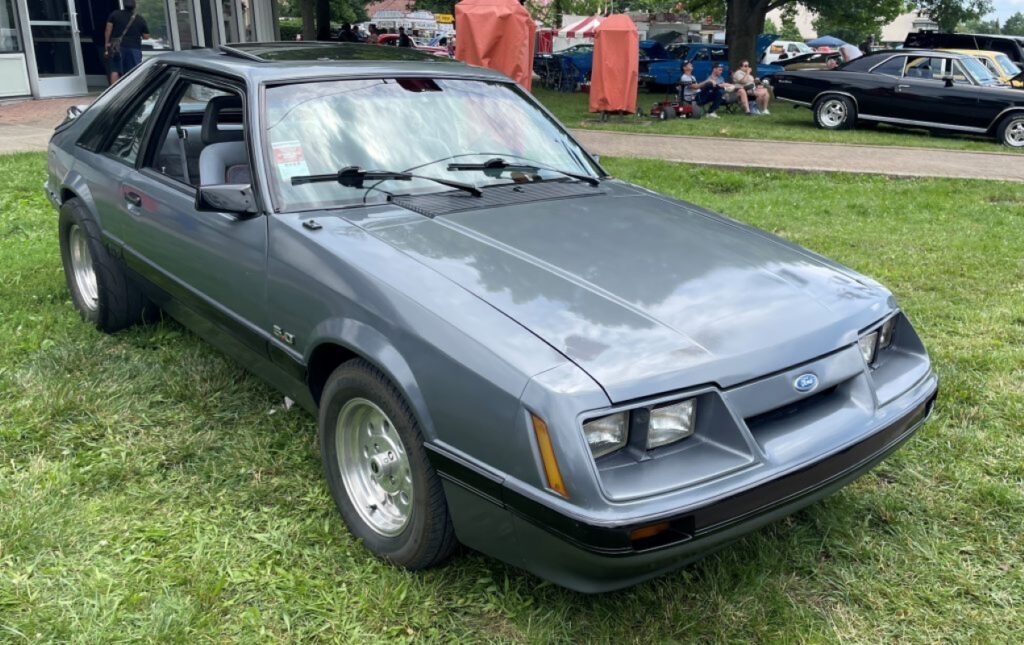
1986: 5.0L Fox Body Mustang Gets EFI
The 5.0L HO V8 was introduced on the 1982 Mustang GT. Ford continually improved the engine with things like a four-barrel carburetor, better cylinder heads, and a hydraulic roller camshaft. But the introduction of sequential port EFI in 1986 put the last piece of the puzzle in place to launch the Fox into legendary status.
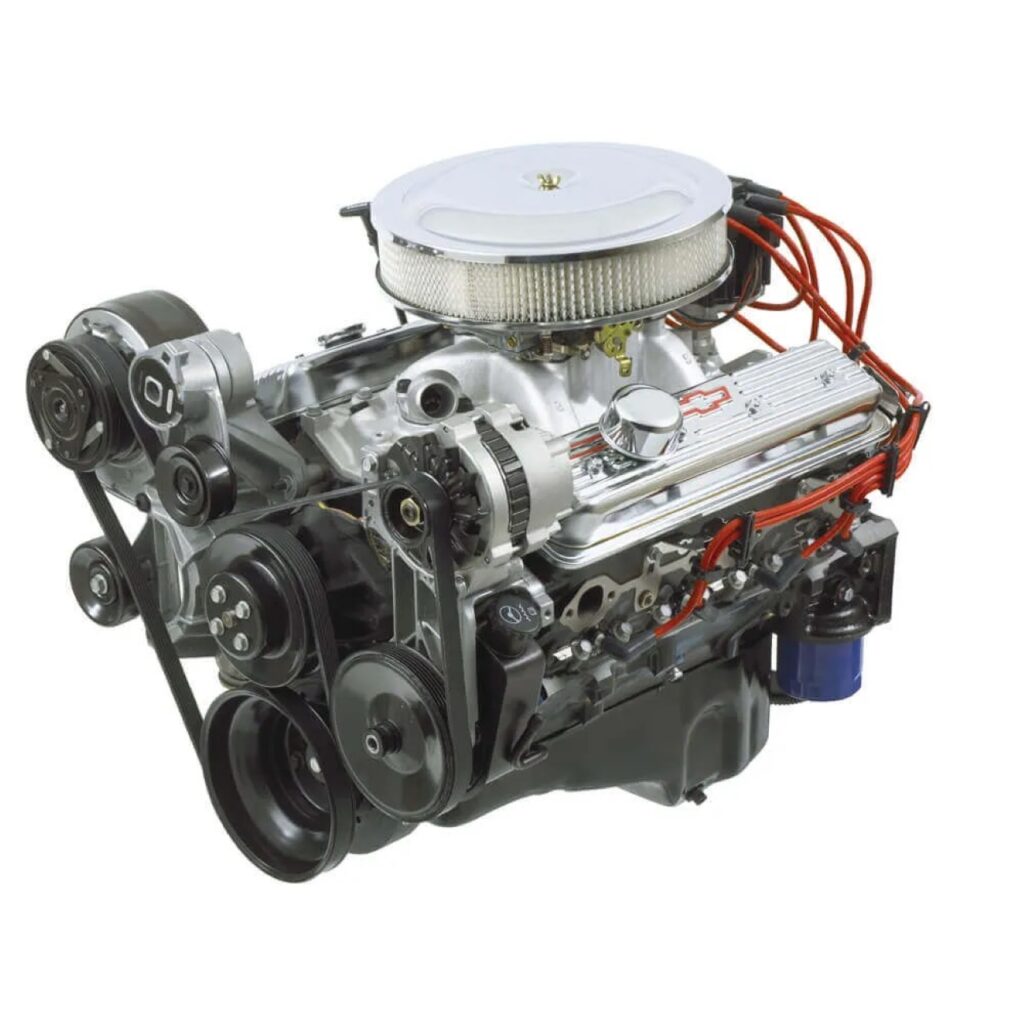
1989: Chevrolet H.O. 350, the firstModern Crate Engine
The grandaddy of the famous ZZ-series crate engines, Chevrolet’s 345 horsepower H.O. 350 small block was the first performance engine with a factory warranty. Ford, Mopar, and independent engine rebuilders read the tea leaves and followed suit with their own horsepower-with-a-warranty crates. Now you know who to thank for your ready-made 347ci small block Fords, 632ci big Chevys, and one zillion varieties of LS motors.
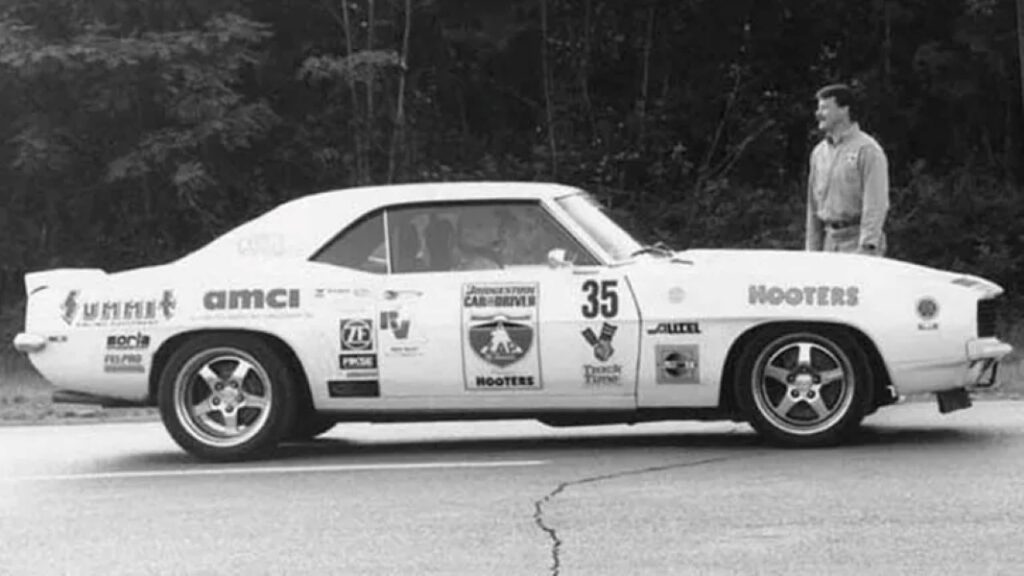
1993: Mark Stielow’s Tri-Tip 1969 Camaro Launches the Pro Touring Movement
We think we’re safe in saying Mark Stielow’s white 1969 Camaro set the parameters for Pro Touring—a muscle car built to track with big suspension mods, big brakes, big tires, big horsepower, and enough creature comforts to make it livable on the street. David Freiburger came up with the Tri-Tip name; it describes a car that works great on the street, drag strip, and road course. That’s Kyle Tucker, Mark’s co-pilot for the 1993 On Lap of America and the founder of Detroit Speed, in the photo.

1996: OBD-II Standardized
OBD-II is the second generation of the On-Board Diagnostic (OBD) system required by the EPA to monitor and diagnose issues related to emissions. Just plug a scanner in the OBD-II port and the system provides real-time engine data and trouble codes to help you fix stuff. That port also lets you have fun via performance tuners and software, throttle response enhancers, data loggers, and digital monitors. Yay technology.
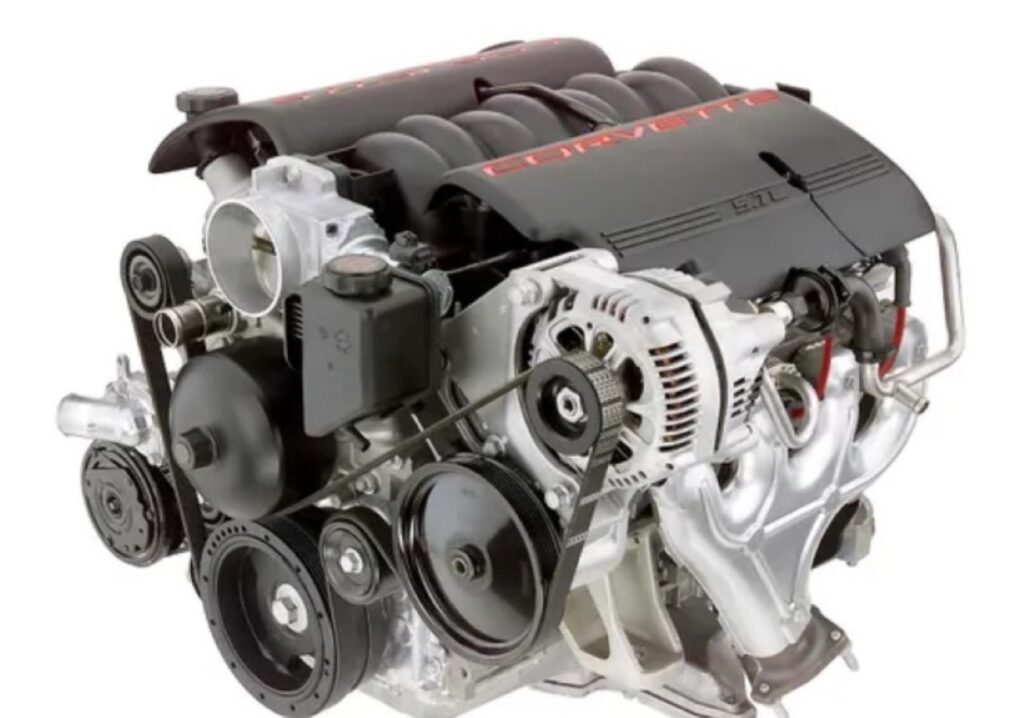
1997: The LS Engine Arrives
When GM dropped the LS1 in the 1997 Corvette, little did they know it and its 35 siblings would take over the performance world as the go-to engines for—well, everything. LS engines kept the compact size, light weight, and parts interchangeability of the Gen I small block Chevy, but added high-flow aluminum heads, stronger bottom ends, and coil-on-plug ignition. If you can’t make power with an LS, we hear quilting is fun.
Honorable Mention: Jeep TJ Wrangler. This is the generation that jumpstarted America’s love affair with the Jeep, created the big parts aftermarket to feed it, and arguably led to the fascination with rubber ducks.
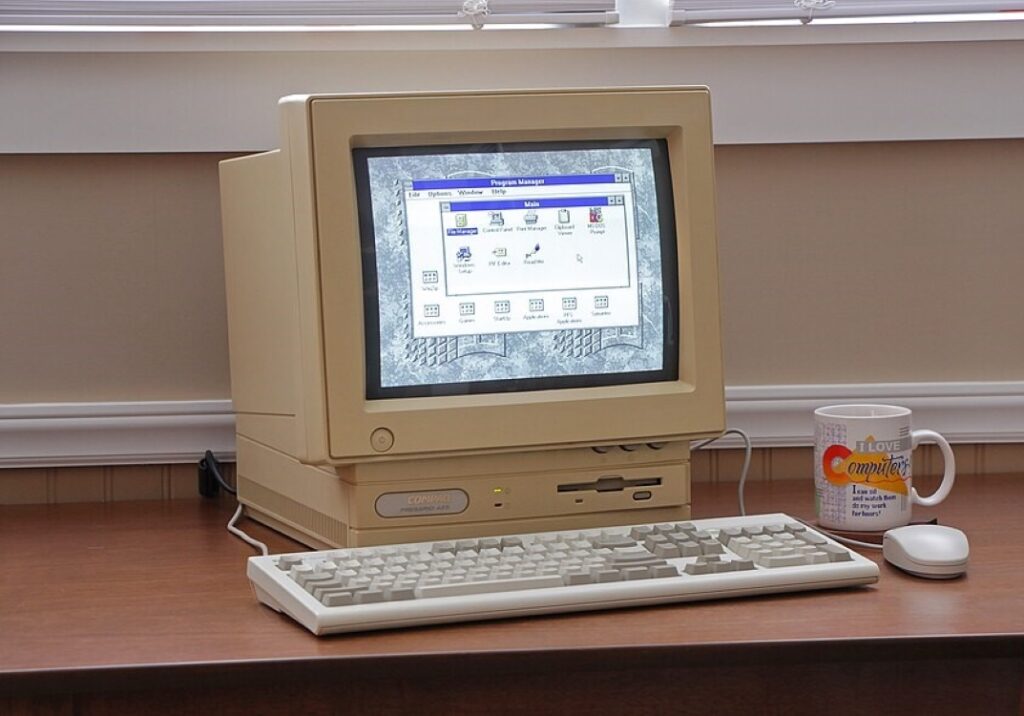
Late 1990s: The Internet
The sound of dial-up modems and deluge of America Online CDsin the 1990s brought gearhead-dom into the connected future. Email, forums, and social media let you talk to (and argue with) fellow enthusiasts anywhere in the world. You could find old junk and order new parts from your easy chair. And virtually anything you wanted to know about cars was a mouse click away. For good or ill, the Internet changed the way we engage with our hobby.
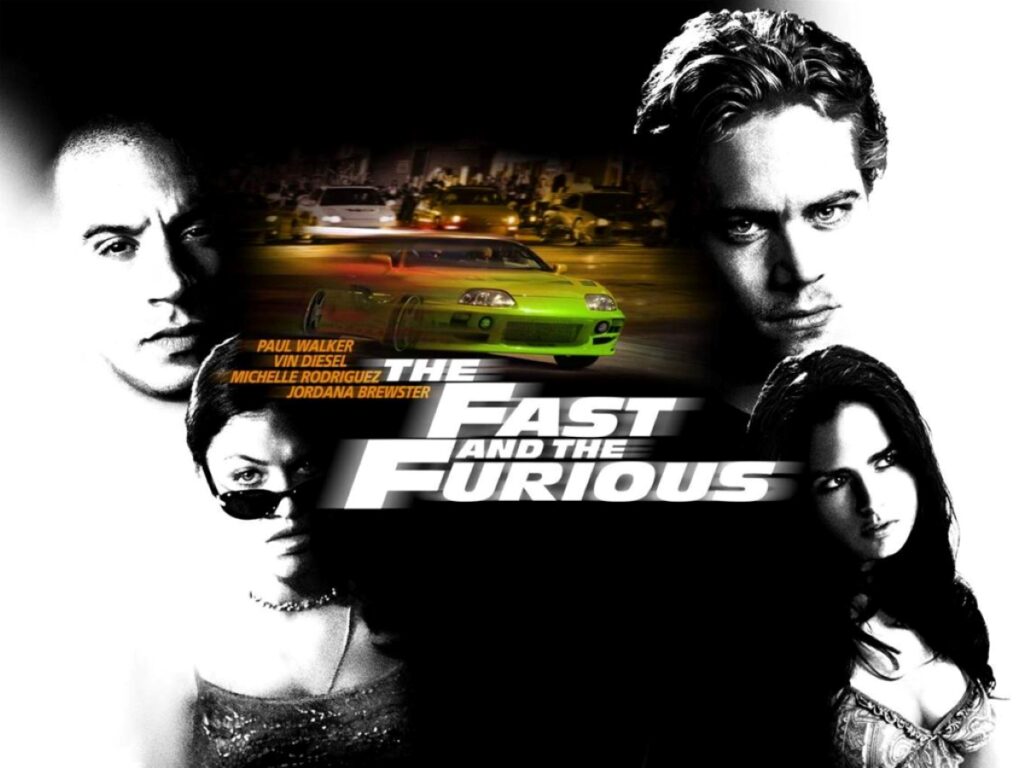
2001: The Fast and The Furious Mainstreams Tuner Culture
Import performance was around before Vin Diesel, Paul Walker, and Michelle Rodriguez ran noss and overnighted parts from Japan in the first Fast and Furious film. After seeing the movie, every kid with a hand-me-down Civic wanted a loud exhaust, lowering springs, and a body kit—and the performance industry obliged. Some of those kids got serious and went drag racing, autocrossing, and drifting, keeping import performance alive and well.
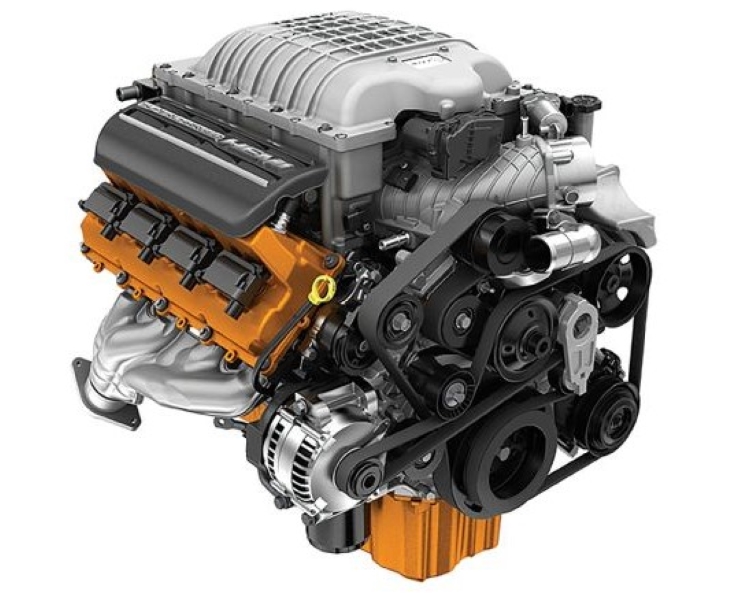
2003: Chrysler Introduces Gen III Hemi Engine
When Ma Mopar put the 5.7L Gen III Hemi in the 2003 Dodge Ram pickup, the “That Got a Hem?” era was born. You can debate if the engine is a ‘true’ Hemi, but 700-plus horsepower Hellcats, 800 horsepower Hellcat Demons, and 1,000 horsepower Hellephants say it doesn’t really matter. Mope fans love the Gen III so much, Chry—er, Stellantis had to bring back the engine in 2026 for half-ton trucks and SUVs after dropping it in 2024.
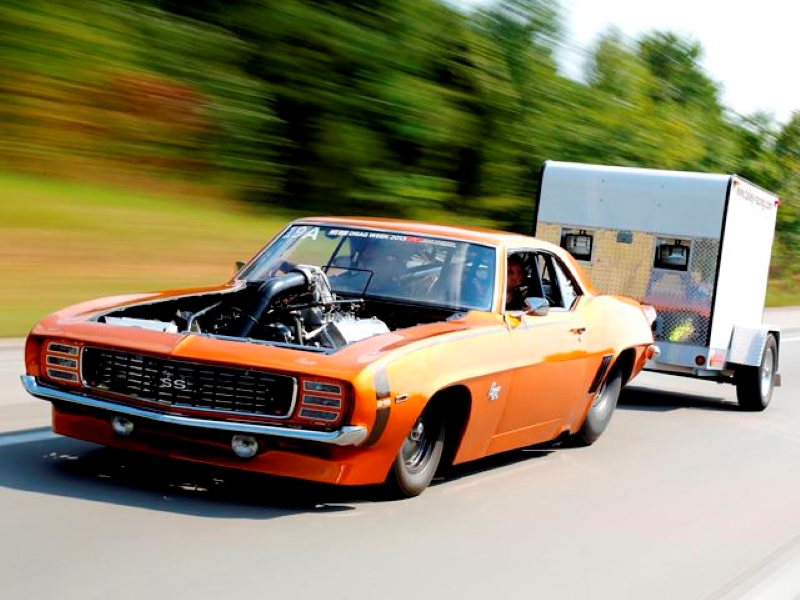
2005: First Hot Rod Drag Week
When Hot Rod Magazine put on the first Drag Week 20-odd years ago, we’ll wager they never thought it would jumpstart the Drag-and-Drive phenomenon (if you believe the interwebs, there are 39 D-n-Ds for 2026). To show you how far the definition of street-legal race car has come, the fastest pass at the 2005 event was Larry Larson’s 8.38 second/163 MPH pass in his 14-71 supercharged big block ’66 Nova. In 2005, Ned Dumphy ran a 6.114/247.57 in his Unlimited Class 2013 Dodge Viper. Holy burning rubber, Batman.
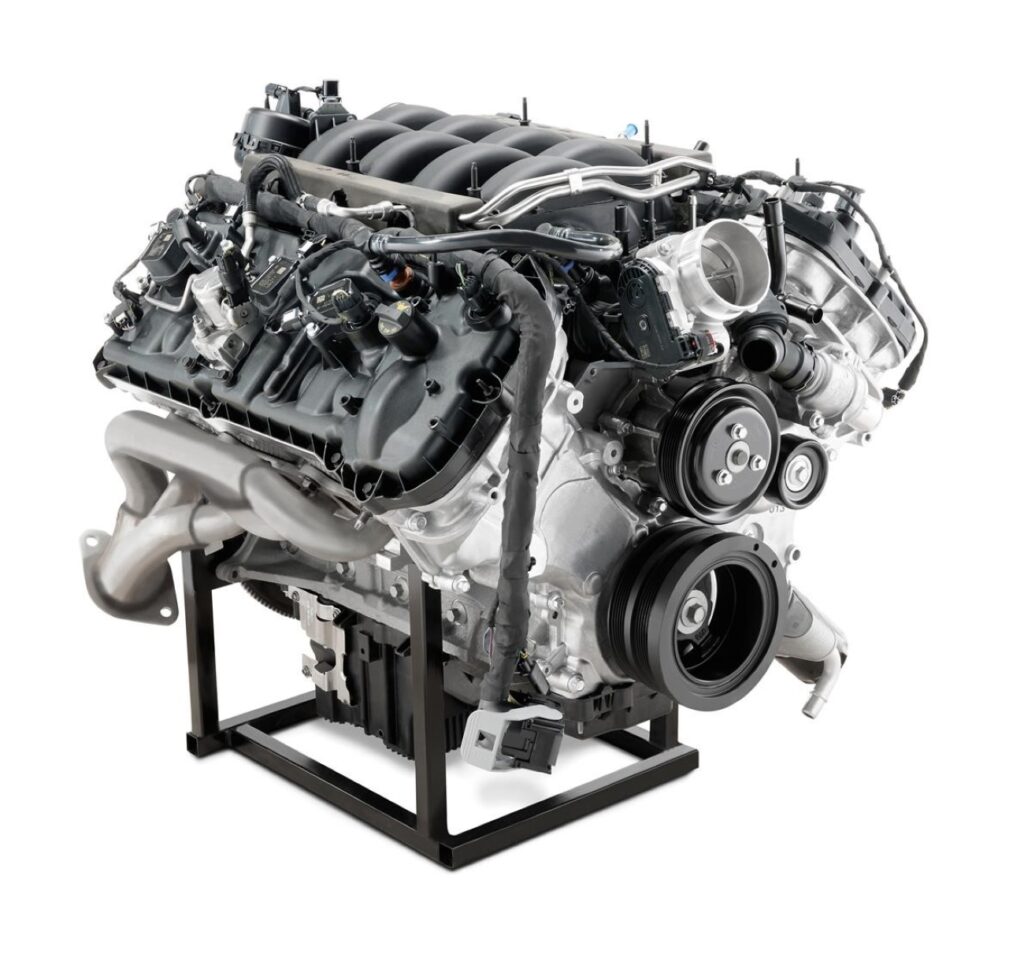
2011: Ford Introduces the 5.0L Coyote
Mustangs proudly wore the 5.0L badge again when Ford started stuffing the Coyote in 2011 GTs. The all-aluminum four-cam engine made 412 horsepower, almost 100 more than the 4.6L in the 2010 Mustang. Power levels only increased from there—444 in the 2012 Boss 302, 480 in the 2019 Bullitt Edition, and 486 in the current GT. Add in the 5.2L versions—Voodoo (526 HP), Predator (760 HP), and Carnivore (720 HP)—providing the Blue Oval faithful the oats Wil-E-Coyote wished ACME would give him.
2015: Affordable EFI Conversions
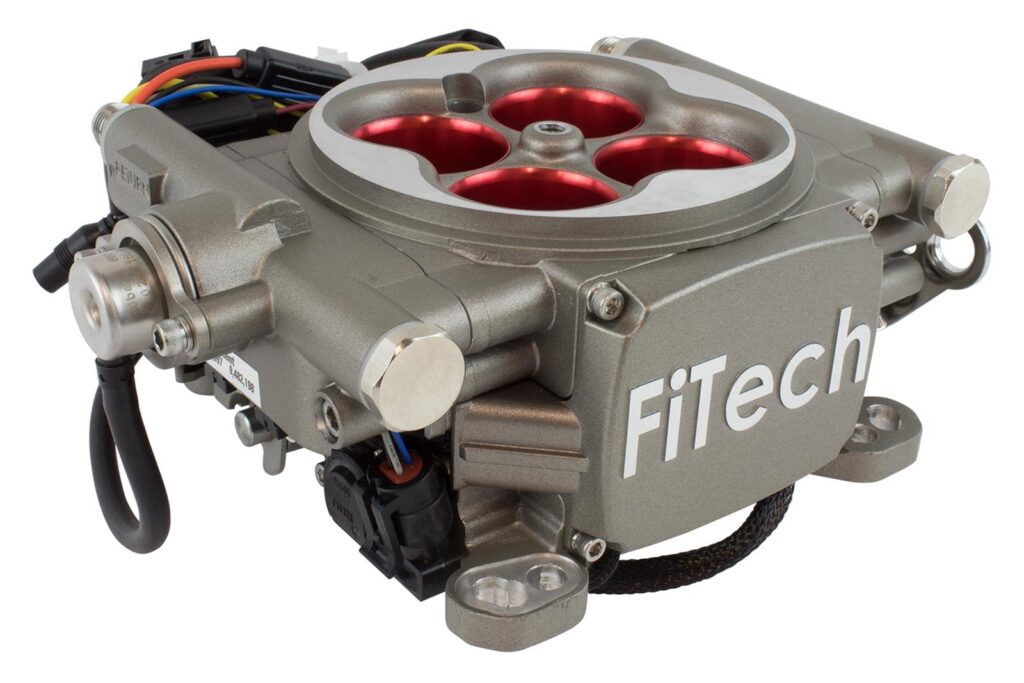
Aftermarket EFI systems had been around since the 1980s, pioneered by companies like Haltech, Accel DFI, and Motec. They worked, but were expensive and required a fair bit of tuning knowledge to get them up and running. The systems got progressively better—and then FiTech upset the apple cart with the first self-learning, throttle-body style EFI systems. For the price of a decent carburetor, you got the three abilities of EFI—drivability, reliability, and tuneability—in a system that was easy to install and operate. The era of everyman’s EFI had arrived.
2017: Tesla Model 3
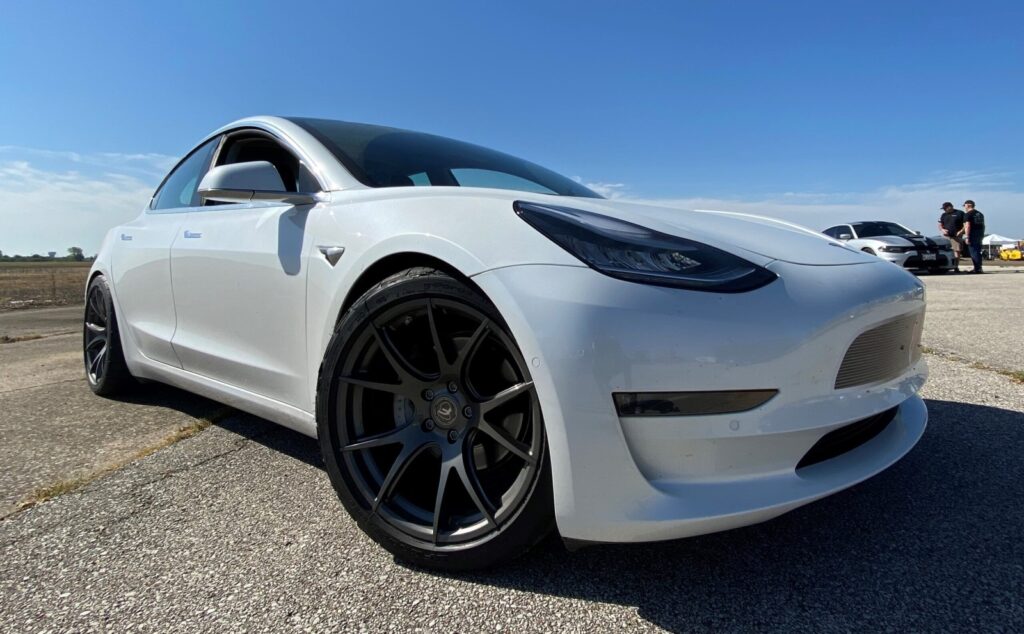
Yeah, we know: EVs bad boo-hiss. However, you gotta show some respect for the Tesla’s Model 3. Introduced in 2017, the car became popular in autocross and circuit racing, especially the Performance model with Track Mode that lets you adjust power distribution, stability control, and regenerative braking. Summit Racing played with a Model 3 and had a ball with it.
2020: C8 Corvette Debuts/COVID
2020 is the poster child for ‘the best of times, the worst of times’:
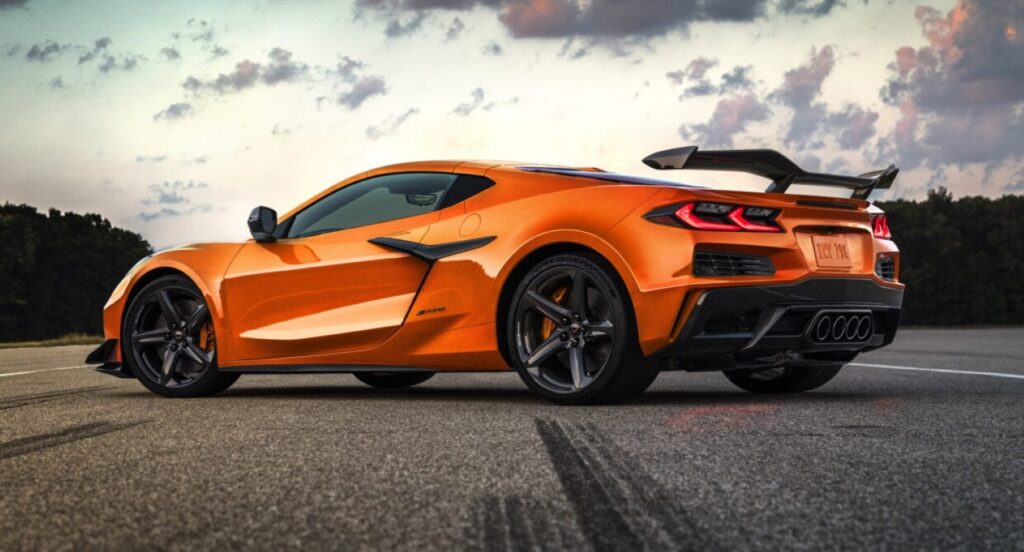
The Best: After 60 years of playing around with mid-engine Corvettes, GM finally fulfilled Zora Artus-Duntov’s dream and put one into production. The C8 was true ‘bargain’ supercar thanks to its rear-mid engine layout that dramatically improved weight distribution, handling, and traction. The 2026 ZR1X combines that with a hybrid powertrain that cranks out 1,250 horsepower and propels the car from 0 to 60 in 1.9 seconds. Wowzers.
The Worst: COVID. That little virus killed millions, snarled supply chains for years, and changed how and where we work and play. On the whole, we would rather have been in Philadelphia.
2020s: Turbos for Everyone
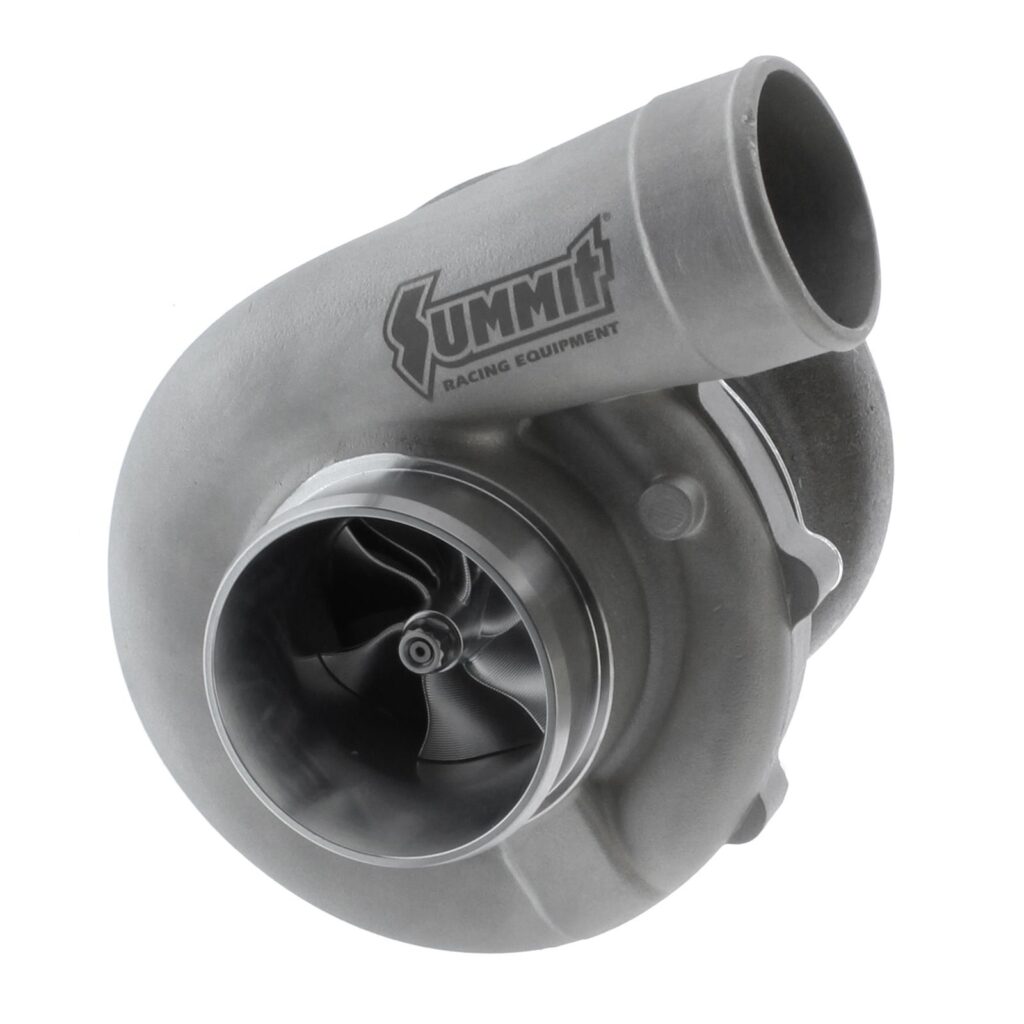
Once the supply chains that COVID snarled were unsnarled, a flood of bargain, offshore-manufactured turbochargers hit the market. And boy, did gearheads snap them up. The most popular combo was a single turbo on a GM LS truck engine (the iron blocks could handle the boost). While the power was there, durability was questionable at best. But companies like Summit Racing responded with affordable, high quality turbos that make power and last longer than one dyno pull.
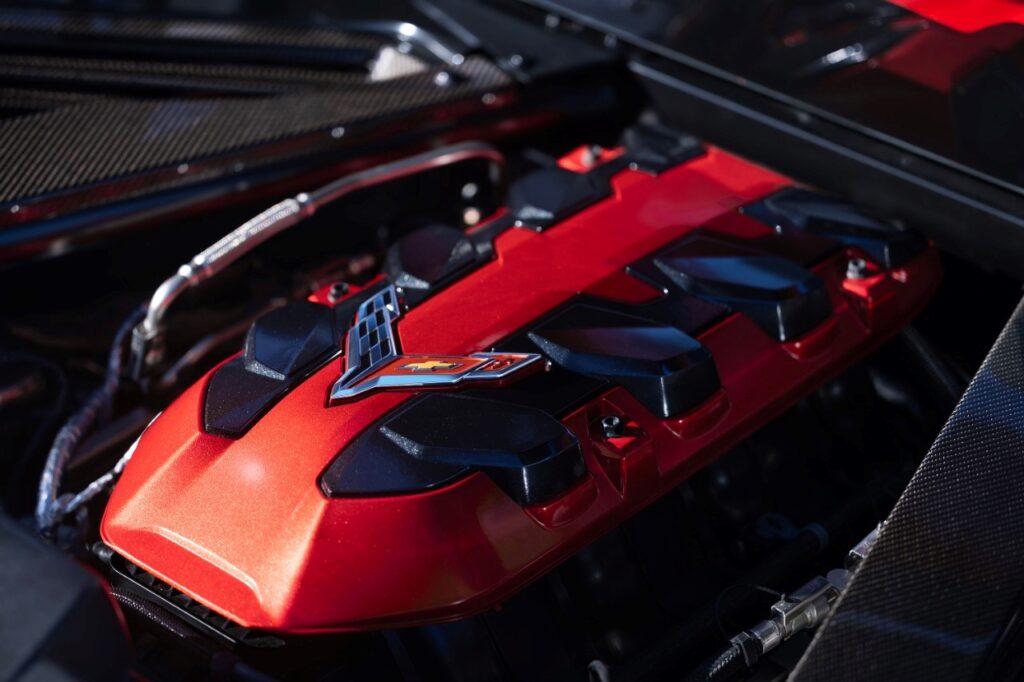
2026: GM Announces the Gen 6 Small Block V8
V8s, pushrods, and gasoline will be with us a good long time. Case in point are GM’s new Gen 6 (Gen VI?) family of small blocks. As of this writing, there will be three engines, one for the 2027 Corvette and two for the new 2027 GM full size trucks:
LS6: GM brings back the legendary name—and the legendary 409ci displacement—with the 6.7L LS6. The all-aluminum engine sports a 13:1 compression ratio (the highest for a GM production gas V8) and makes 535 horsepower and 520 lbs.-ft. of torque. Other fun bits include a dual port/direct injection EFI system, a big tunnel-ram style intake manifold, and a 95mm throttle body.
5.7L and 6.6L: Yep, the 350ci and 400ci small blocks have returned. We don’t know their designations or GM’s official power figures. Speculation is the 5.7L is rated at 400 horsepower and close to 430 lbs.-ft. of torque. The 6.6L engine is rumored to make 475 to 500 horsepower and 500 lbs.-ft of torque.